
Understanding Flammable Liquids and Class 3 Dangerous Goods
Class 3 dangerous goods refer specifically to flammable liquids, which pose significant safety risks in the workplace. These substances have a flash point of less than 60°C, meaning they can ignite easily when exposed to sources of heat or sparks. Common examples of Class 3 flammable liquids include petrol, acetone, ethanol, methanol, and certain paints and solvents. Many of these are frequently used in laboratories, manufacturing plants, automotive workshops, and cleaning operations.
Given their volatility, it’s essential to observe strict safety precautions when handling or storing these materials. To minimise the risk of fire or explosion, always keep flammable liquids away from ignition sources such as open flames or electrical equipment. Proper ventilation is crucial to prevent the build-up of vapours that could lead to hazardous situations.
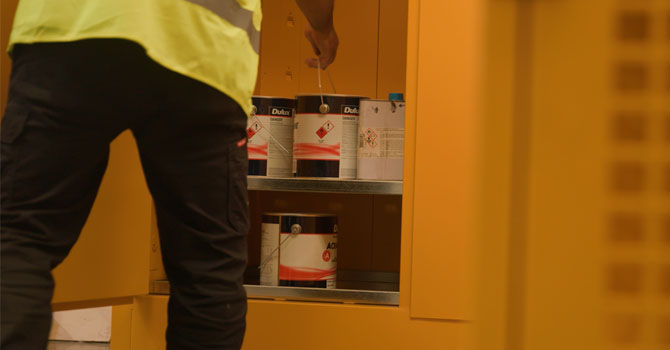
One effective way to enhance workplace safety is by using flammable safety cabinets designed specifically for storing Class 3 dangerous goods. These cabinets are constructed from fire-resistant materials and help contain spills while limiting vapour release into the workspace. Regular training on safe handling procedures and emergency response protocols further ensures that employees remain protected when working with commonly used flammable liquids in the workplace.


