
Fraud Blocker

How to Manage Class 3 Liquids in Summer To Reduce Workplace Safety Risks

29 Jan 2026
flammable liquid safety cabinets

Understanding Flammable Liquids and Class 3 Dangerous Goods

Class 3 dangerous goods refer specifically to flammable liquids, which pose significant safety risks in the workplace. These substances have a flash point of less than 60°C, meaning they can ignite easily when exposed to sources of heat or sparks. Common examples of Class 3 flammable liquids include petrol, acetone, ethanol, methanol, and certain paints and solvents. Many of these are frequently used in laboratories, manufacturing plants, automotive workshops, and cleaning operations.

Given their volatility, it’s essential to observe strict safety precautions when handling or storing these materials. To minimise the risk of fire or explosion, always keep flammable liquids away from ignition sources such as open flames or electrical equipment. Proper ventilation is crucial to prevent the build-up of vapours that could lead to hazardous situations.

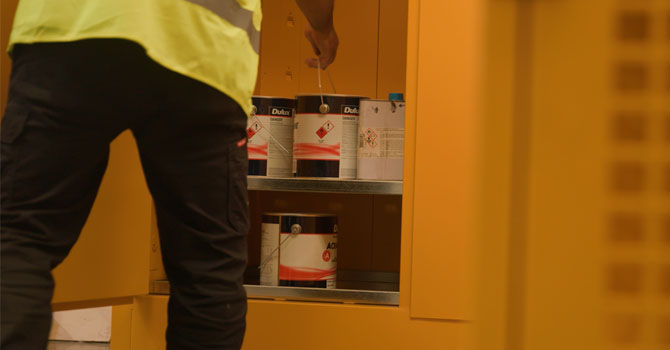
One effective way to enhance workplace safety is by using flammable safety cabinets designed specifically for storing Class 3 dangerous goods. These cabinets are constructed from fire-resistant materials and help contain spills while limiting vapour release into the workspace. Regular training on safe handling procedures and emergency response protocols further ensures that employees remain protected when working with commonly used flammable liquids in the workplace.

How Summer Increases the Risks of Flammable Liquids in the Workplace


As temperatures rise during the Australian summer, so do the risks associated with storing and handling flammable liquids in the workplace. Elevated temperatures can significantly increase vapour pressure within containers, causing flammable substances to evaporate more rapidly. This heightened evaporation leads to a greater concentration of potentially explosive vapours in storage areas and workspaces.

Summer heat risks are particularly concerning because even a small spark or ignition source—such as electrical equipment, static discharge, or open flames—can trigger a dangerous fire or explosion. The combination of increased vapour pressure and readily available ignition sources makes fire hazards in Australian summer months especially acute.

To minimise these risks, it’s essential for businesses to review their storage practices, ensure proper ventilation, and implement rigorous safety protocols when handling flammable liquids during hot weather. Staff should be trained to recognise how elevated temperatures can exacerbate hazards and understand the importance of keeping ignition sources well away from volatile substances throughout the summer season.

AS1940-2017: Australian Standards for Flammable Liquid Safety


AS1940-2017 is the Australian Standard governing the storage and handling of flammable and combustible liquids. This comprehensive document outlines essential best practice requirements to ensure workplaces remain compliant and, above all, safe when dealing with hazardous substances.

The standard provides detailed safe storage guidelines AS1940-2017, including specifications for container types, maximum allowable quantities, ventilation requirements, spill containment measures, and separation distances from ignition sources. It also addresses emergency planning and staff training to minimise risks associated with accidental spills or fires. By adhering to the Australian Standards for flammable liquids set out in AS1940-2017, organisations can protect their workers, assets, and the environment.

The Role of Flammable Liquid Safety Cabinets in Reducing Fire Risks


Flammable liquid safety cabinets play a crucial role in reducing fire risks, especially in environments where hazardous substances are frequently used or stored. In Australia, these cabinets are specifically designed and built to meet the stringent requirements of AS1940, the Australian Standard for the storage and handling of flammable and combustible liquids. This ensures that they provide optimal protection against potential fire hazards.

One of the key advantages of using flammable liquid safety cabinets Australia is their ability to maintain safe storage conditions even during peak summer temperatures. These cabinets are constructed to minimise the risk posed by external heat sources, reducing the likelihood that stored liquids will reach dangerous temperatures or vapour concentrations. Furthermore, they facilitate proper segregation from other dangerous goods and ensure that incompatible substances are not stored together—an essential aspect of safe chemical management.

Additionally, these cabinets must always be segregated from heat or ignition sources as per AS1940 guidelines. Their robust construction acts as a physical barrier between flammable liquids and potential ignition points, significantly lowering fire risks in workplaces such as laboratories, workshops, and industrial facilities. By adhering to these standards for safety storage in summer conditions and all year round, businesses can effectively safeguard both personnel and property from fire-related incidents.

Key Features of Flammable Cabinets for Maximum Protection


When choosing flammable cabinets in Australia, it’s essential to understand the features that ensure maximum protection for your workplace. The most effective flammable cabinets are designed with safety and compliance in mind, incorporating several key elements.

A robust thermal barrier is fundamental. Double wall construction, with at least 40mm of insulating air space between the walls, helps shield contents from external heat sources and delays the transfer of heat in case of a fire. This feature significantly enhances the cabinet’s ability to protect hazardous materials.

Another critical component is an in built containment sump located at the base of the cabinet. This sump collects any accidental spills or leaks, preventing hazardous liquids from escaping and reducing environmental contamination risks.

Self-closing doors are also vital for safety. In the event of a fire, these doors automatically shut to contain flames and prevent oxygen from fuelling combustion inside the cabinet. For added security, check that doors have secure latch mechanisms as well.

Vents with flash arrestors are another important aspect. These vents allow for safe ventilation while preventing external ignition sources from entering the cabinet—a crucial consideration when storing volatile substances.

Capacity and size considerations should not be overlooked when choosing a flammable cabinet. Ensure you select a unit that meets both your storage needs and regulatory requirements without overcrowding or exceeding capacity limits.

By prioritising these features—thermal barriers, double wall construction, self-closing doors, containment sumps, proper venting with flash arrestors capacity considerations—you can confidently choose a flammable cabinet that offers maximum protection for your personnel and premises.

Australian Made Flammable Liquid Safety Cabinets From Global Spill & Safety

When it comes to storing hazardous materials securely, Australian made cabinets from Global Spill & Safety offer peace of mind as they are built to meet the requirments of Australian Stanards. With a wide range of styles and sizes available, businesses can find the ideal solution tailored to their unique requirements.

We maintain an extensive range of stock throughout Australia, ensuring prompt delivery of your order and enabling you to enhance your site’s safety without unnecessary delays. Whether you operate a small workshop or a large industrial facility, we offer cabinets that will suit your requirements perfectly.

If you would like to learn more about how our Australian-made cabinets can improve workplace safety, or if you require a customised solution, please do not hesitate to request a quote.

« Back

Sign up to our newsletter